Skip to main content
Skip to footer
Skip to main content
Skip to footer

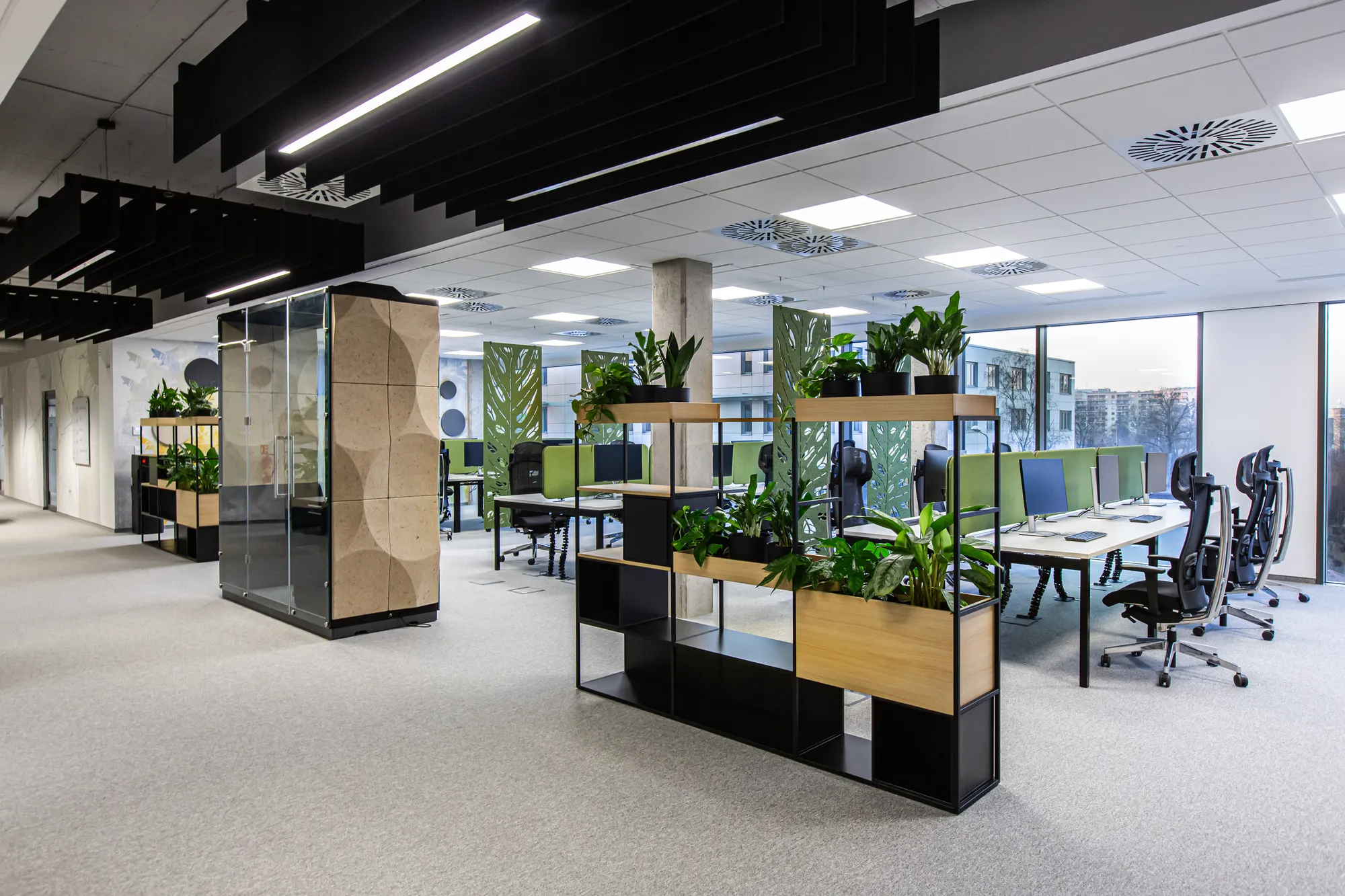
There is something about certain spaces that makes you want to stay the moment you walk in. It is authentic materials that make an interior feel thoughtful rather than merely pretty, that give it character on the walls instead of just a color pulled from a catalog.
In 2026, this kind of space has become the goal that interior design is moving toward. After years of sterile surfaces, glossy planes, and interiors that looked better in photos than in real life, something has shifted. Salone del Mobile and previews of this year’s key industry events show that natural materials are increasingly dominating interior design, materials with history, meaning, and a texture you can actually feel under your hand.
Fatigue with beauty that has no substance
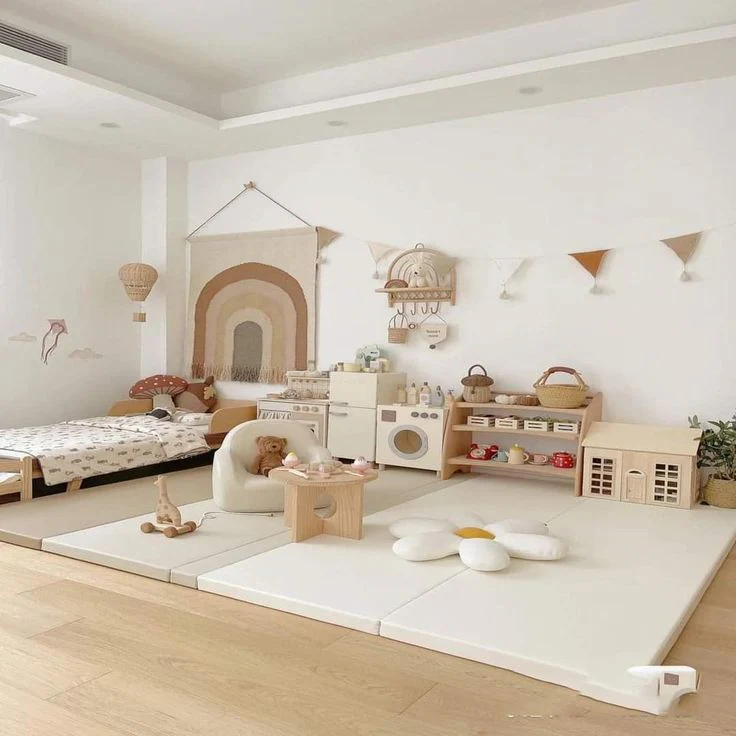
A few years of intense digitalization have passed. Every day, AI generates images of modern interiors faster and faster, apps pick colors based on algorithms, and showrooms fill up with furniture designed by machines. What is the result? More and more spaces look the same, and at the same time, more and more people start missing something…
…missing a material that is not perfect, a wall that says something, an interior that shows a human decision rather than a style optimization. More and more people are starting to look for exactly what has slipped away from the algorithm.
Designers call this phenomenon updated nostalgia. It is not about retro, and it is not about literally copying the past. Today, interior design is about reaching for what was good in older materials: durability, natural texture, the sense that something was made with intention. You can see this direction in interior styles such as Organic Modern or Japandi 2.0, where soft forms, natural textures, and warm colors take center stage.
Felt, the authentic material in interiors that came back before it ever left
In this context, acoustic PET felt is an interesting case. It is a material that, in truth, was never really a trend. It entered interiors through its functionality: reducing noise, absorbing sound, and improving comfort at work.
But right now, as interior design searches for authenticity and materiality, felt turns out to fit perfectly. It has a natural finish that does not pretend to be something else. Its texture is visible to the naked eye, it can be cut into any shape, yet it never loses its character.
The felt in Feltdecor products is made from recycled PET bottles. Recycled materials are not just a line on our website, they are part of our approach to sustainable interior design, one where a material gets a second life and works on a wall for years.
What does it look like in practice?
In office spaces TileFlex Feltdecor products are most often used to address two issues at once: acoustics and aesthetics. These square acoustic wall panels can be arranged in geometric patterns or combined with wooden elements. This allows you to create unique interior designs that look like a well-thought-out art installation, rather than just a technical solution to a noise problem.
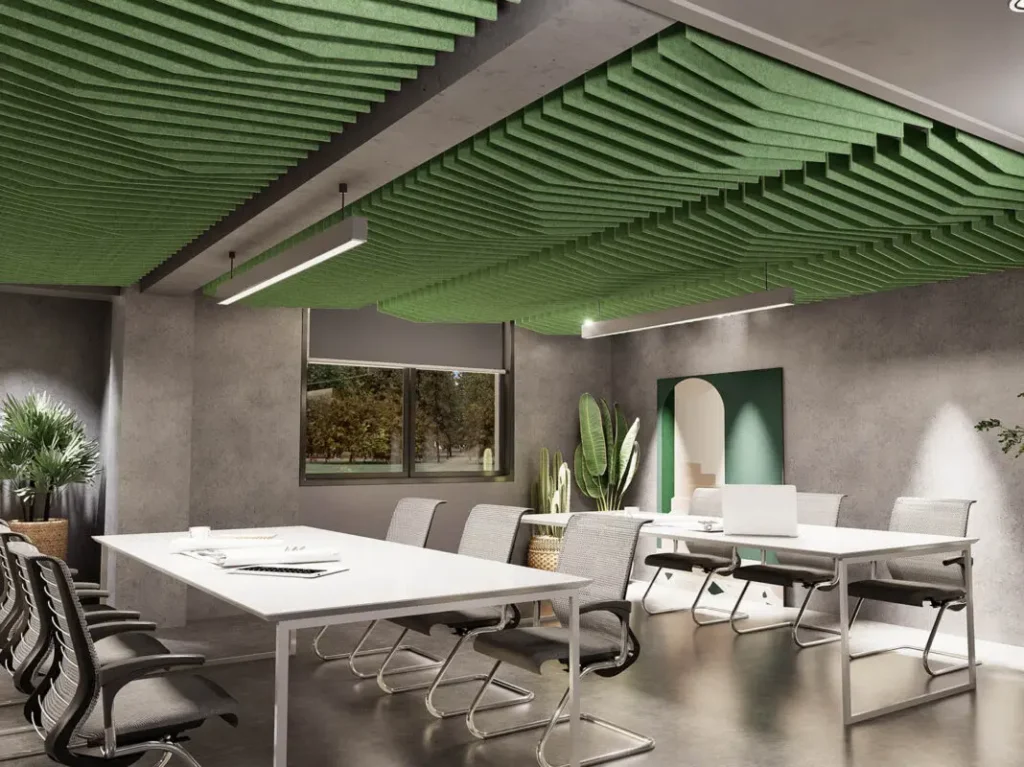
In turn, TileScratch is a variant for spaces where aesthetics play the leading role. These distinctive acoustic wall panels stand out with a geometric pattern of precisely cut lines. Through the interplay of light and shadow, they create dynamic compositions that shape the atmosphere of a room and shift depending on the time of day and the viewer’s perspective. In hotel lobbies and modern receptions, they often become the central focal point of the entire interior design project.
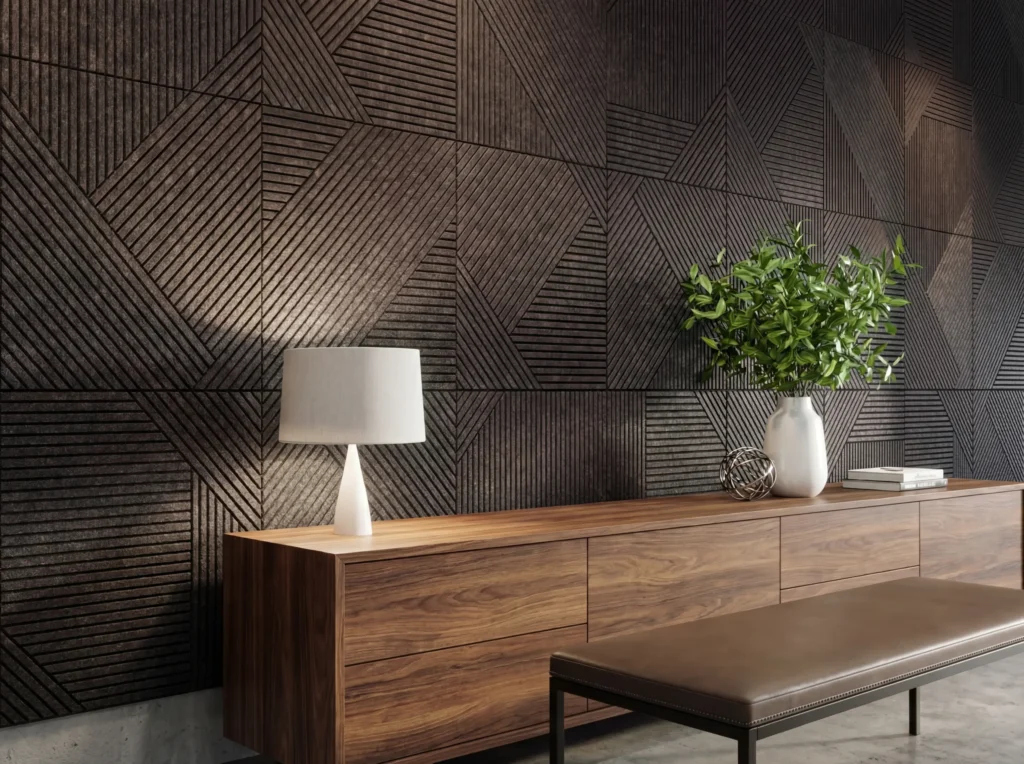
Conference rooms and open plan offices, meanwhile, welcome ceiling systems such as SilentScape and SilentCloud. These suspended acoustic islands work on both sides: they absorb sound from above as well as from below. In large, high ceilinged spaces, they are an ideal choice, since they effectively eliminate the echo effect and pair beautifully with raw industrial or modern interior design.
Not just for offices
Felt acoustic panels are increasingly showing up in spaces that would have been surprising installation locations just a few years ago: apartments, living rooms, bedrooms, home offices. Now that remote work has become a permanent part of our lifestyle, and a home also doubles as an office, acoustics has turned into an everyday concern rather than something reserved for commercial architecture.
A few panels behind the TV, modules on the wall by a desk, a ceiling island with strips that give a living room mood lighting instead of a classic lamp, these are small interventions that change how a space sounds and looks at the same time. Felt does something else too, along the way: it gives interiors a sense of coziness that hard surfaces can never provide.
What is worth knowing before you buy
If you are wondering what acoustic panel thickness suits your interior, keep in mind that thickness matters, but it is not the only parameter to consider. 9 mm PET felt panels handle reverb well in most residential and office interiors. Thicker variants (12 mm or more), on the other hand, are worth considering in very demanding spaces with plenty of hard surfaces and high ceilings. The difference in sound absorption, however, is not always large enough for thickness alone to decide the success of a project, correct installation matters just as much.
Where you place the panels matters too. They work best where sound waves reflect most intensely: on walls facing the sound source, on the ceiling, and in room corners. Random placement, unfortunately, only delivers half the effect. We gathered more practical tips in our article Sound absorbing felt panel: what to know before you buy.
Feltdecor offers 25 to 29 standard colors depending on the product line, and close to 100 shades on request: from warm colors, through deep tones, to colors inspired by nature. If you are looking for something unique, custom designs are easy to put together in our online configurator, which lets you quickly and intuitively arrange patterns from the available catalog.
If you have a space where acoustics are starting to become a problem, or a project that would benefit from a functional, stylish finishing touch, get in touch with us. We would be glad to help you find the ideal solution matched to the specifics of your interior and your budget.